The founders understood something different. They knew the America of tomorrow wouldn’t look like the America of 1787.
New ideas would emerge. Beliefs would be challenged. Future generations would ask questions they couldn’t possibly anticipate. Rather than attempting to define those ideas, they established principles that would protect the freedom to express them.
Yet the responsibility remains the same: preserving freedoms for a future no one can predict.

1798
ALIEN and SEDITION ACT
Can government jail journalists?
1964
NY TIMES v. SULLIVAN
Can newspapers criticize the government?
1969
TINKER v. DES MOINES
Does free speech apply to students?
2026
THE CONVERSATION CONTINUES
What comes next?
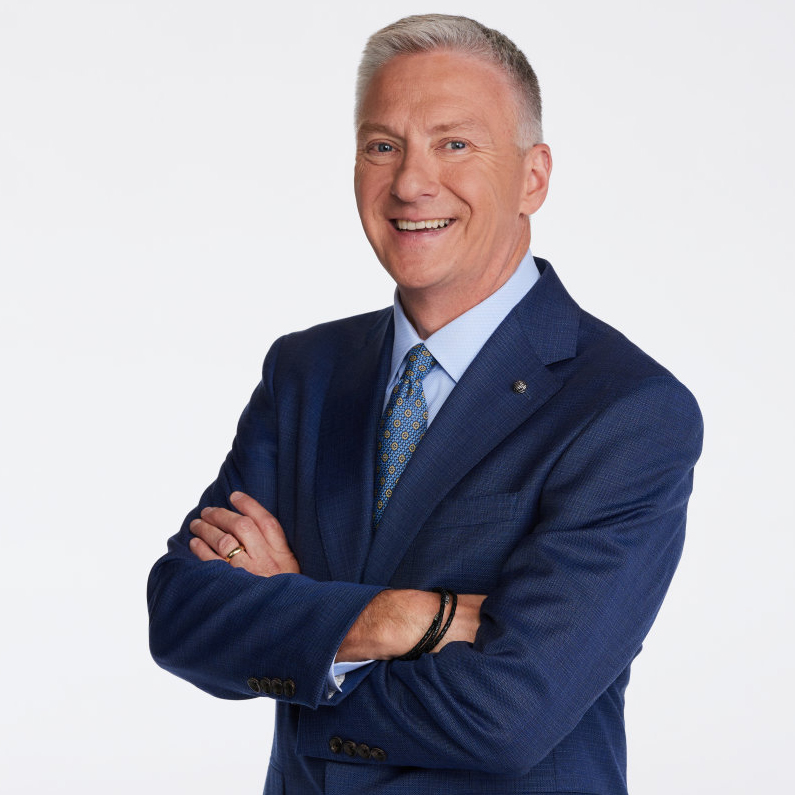
TOM COSTELLO
NBC NEWS
BRIAN MALONE
FAST FORWARD FILMS
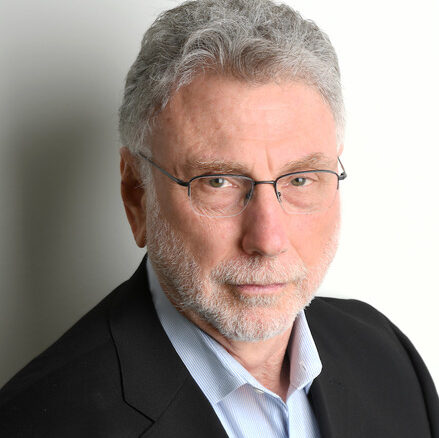
MARTIN BARON
CONTRIBUTOR
MORE…
JOHN RAGOSTA
CONTRIBUTOR
BAZI KANANI
COLORADO PUBLIC RADIO
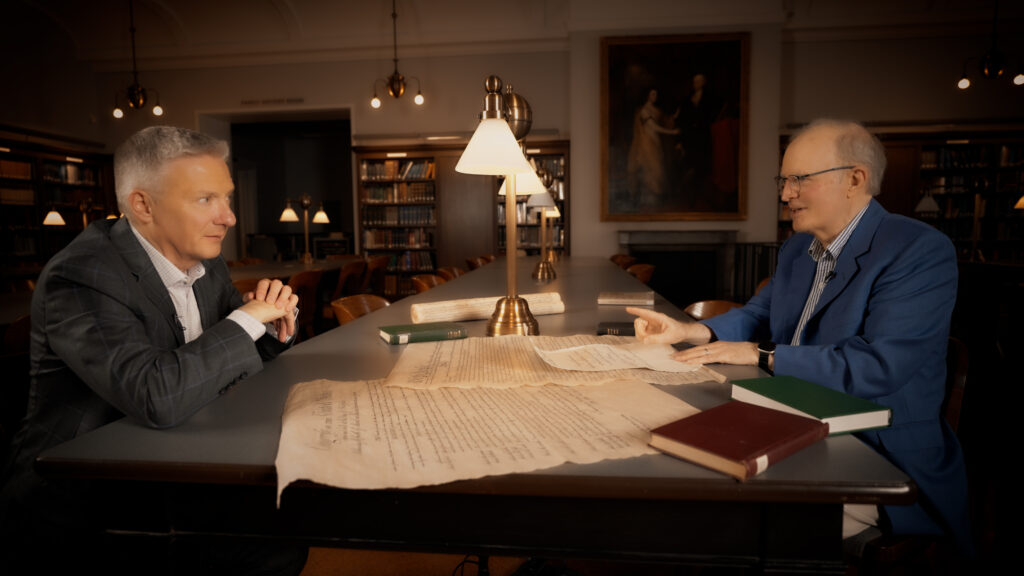
The First: Free Speech at the Crossroads explores the history and continuing importance of the First Amendment through landmark Supreme Court cases, pivotal moments in American history, and interviews with journalists, constitutional scholars, historians, and people whose lives have been shaped by its protections.
Broadcast and streaming availability will vary by region. Check your local PBS station and streaming providers for upcoming air dates and availability, or visit the Where to Watch page for the latest information.
The documentary features NBC News’ Tom Costello and Colorado Public Radio’s Bazi Kanani, along with Mary Beth Tinker, former Washington Post Executive Editor Martin Baron, former New York Times Executive Editor Dean Baquet, constitutional scholars, historians, journalists, and other voices connected to the history and continuing role of the First Amendment.
The film examines the freedoms protected by the First Amendment, including speech, press, religion, assembly, and petition. It also explores pivotal moments such as the Alien and Sedition Act of 1798, New York Times v. Sullivan, Tinker v. Des Moines, and other events that continue to influence American democracy.
Although the First Amendment was written more than two centuries ago, every generation faces new questions about free speech, journalism, religion, protest, and the exchange of ideas. The First explores how these constitutional principles continue to shape public life as technology, media, and society change.
Yes. The First is designed to encourage thoughtful discussion about the First Amendment, constitutional rights, freedom of speech, a free press, freedom of religion, peaceful assembly, and the right to petition the government. It can support discussion in classrooms, libraries, civic organizations, and community groups.